

Homesteading is slowly taking over the internet. I don't know about you but my social media pages are full of people making their own bread, growing their own vegetables, and raising chickens. While it looks amazing and easy online, getting started with homesteading can be a challenge. This is especially true if you have children. How the heck are you supposed to get started anyway? If you are interested in starting to homestead and want to get your children involved, then this article is for you. Here are 5 ways to start homesteading with your kids that will not stress you out or break the bank.
Videos by Wide Open Country
Homesteading: Starting With The Basics
Before you find out the best ways to get your children involved in the homesteading process, you should understand what homesteading will look like in your home. No one is expecting you to dive head first in and be a professional from the start. To begin, select three to five small changes you can realistically see yourself implementing with your family. From there, think about how to get your children involved. I will share the five things that we do in our home that are our beginner's steps to homesteading.
1. Grow Our Own Herbs
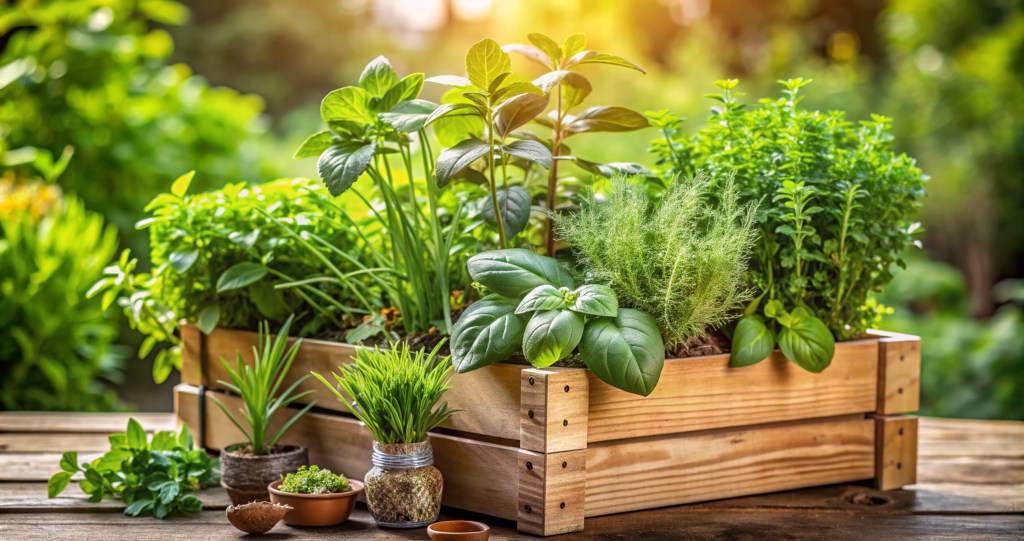
One of the things we have started doing on our journey to being homesteaders is growing our own herbs. I have a giant bucket where I grow my own basil, rosemary, mint, oregano, and thyme. In the winter I bring it in to shelter it from the cold. We save money by not having to buy them weekly at the store and we know exactly where they are coming from.
2. Gardening
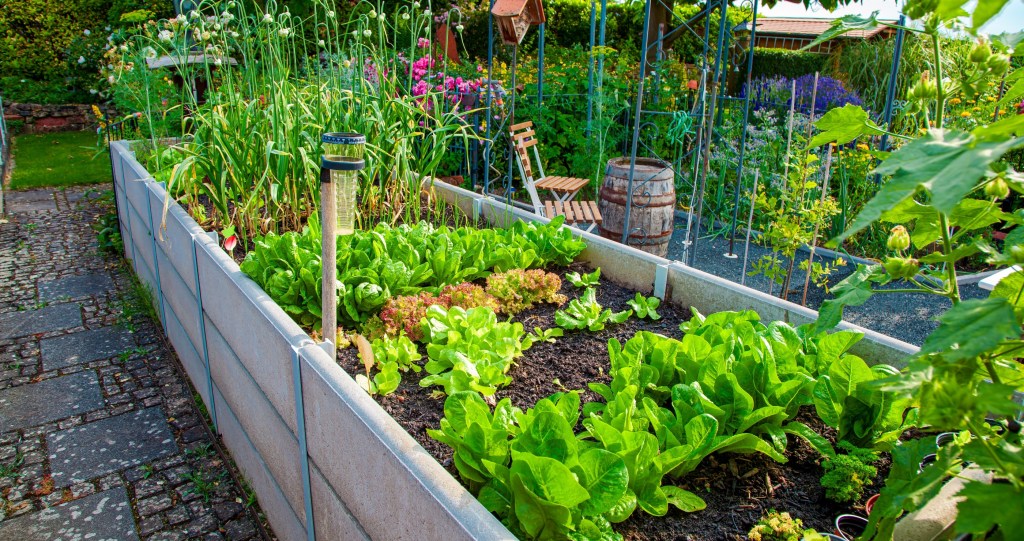
Now I will admit we only do this in the summer. We have yet to become advanced enough to plant according to the season and to successfully keep this going all year. However, in the late spring through the early fall we grow our own produce in our own backyard. It is messy, and exciting, and extremely rewarding. Similar to the herbs, it helps us save money in the long run. Plus, nothing tastes better than a carrot you just pulled out of your own garden.
3. Making Products At Home

You can start slow here. Again, no one is expecting you to be an expert right away. We started by making our own cleaning products. After learning about all of the harsh chemicals that are in our hand soaps, dish detergents, and cleaning products we opted to create our own at home. My favorite solution includes rubbing alcohol, lemon, baking soda, vinegar, and some essential oils. Eventually I would love to make our own soaps as well...but one day at a time.
4. Learn About Survival
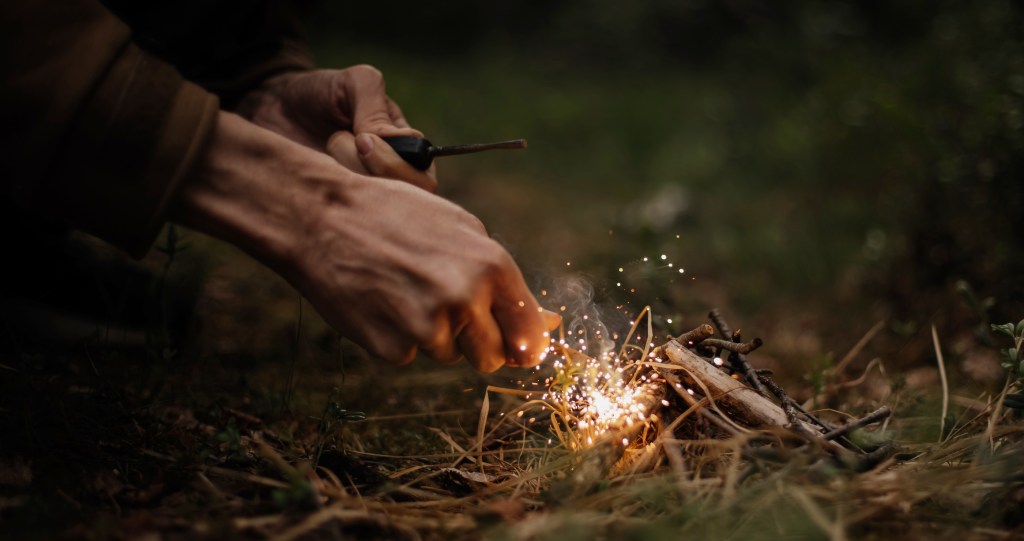
If you are someone who isn't out in the woods hunting or on the lake fishing, you can still learn. I am not someone who readily has access to those sorts of activities, but I like to learn. I watch educational videos on the subjects. Also, I read tons of books and I go to events where experts speak or even survival classes. The more you know, the more confident you will become and then you can begin implementing your skills.
5. We Shop Local And Surround Ourselves With Like-Minded Individuals

While I know the goal of homesteading is to raise your own food and make your own food, we have started taking baby steps. One thing we do now is we shop at local farmers markets instead of the big stores. While going to the farmer's market means you are still buying your food instead of growing it, it introduces many important concepts. For example you learn about the importance of seasonal eating and can chat with the famers to learn how the food is grown. Additionally, by supporting local food systems, you are reducing reliance on industrial agriculture.
Homesteading isn't about being fully self sustaining right off the bat. It's about adopting a mindset of sustainability, resourcefulness, and intentional living. I feel that these five examples all encompass that mindset.
How To Start Homesteading With Your Kids
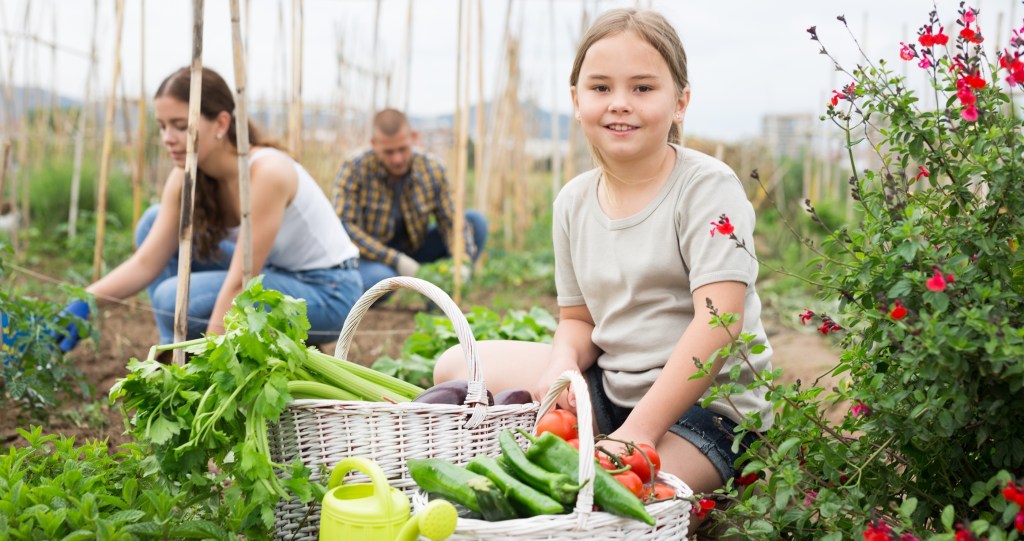
Now that you know five basic ways you can get started with homesteading, how can you involve your kids. After all homesteading with kids looks different than homesteading alone. First and foremost, while it may be a challenge, homesteading with your children is definitely more fun. After all, it takes teamwork to operate a successful homestead.
In regards to the five simple activities listed above, there are tons of ways to get your children involved. I will detail them below as well as provide a list of common homesteading skills you should teach your children. As well as best practices for homesteading with your kids.
1. Growing Your Own Herbs
Here are some basic ways to get your child involved in this activity.
- Let them pick the herbs to be planted
- Do a taste test with them of store bought herbs vs. the ones you grow at home
- Teach them about the different herbs and their benefits - perhaps keep this in a journal with them
- Allow them to help cook dishes that utilize the herbs you are growing
2. Gardening
Here are some basic ways to get your child involved in this activity.
- Give the children a small section of the garden where they can plant the items of their own choosing
- Allow them to help (i.e. digging a hole to plant seeds, watering the plants, weeding etc.)
- Make it a science lesson by discussing pollinators and soil health
3. Making Homemade Products
Here are some basic ways to get your child involved in this activity.
- Have a "mad scientist" day where you let your child explore the safe ingredients. Allow them to mix and match things like vinegar and baking soda to see what happens.
- Once they have an understanding allow them to help with the creation of homemade products. They can help measure or pour.
- Give them chores in which they need to use the products them make (i.e. cleaning some room of the house with the materials you made together)
4. Learning About Survival
Here are some basic ways to get your child involved in this activity.
- Teach your child basic first aid skills
- Go on nature walks together and talk about identifying important plants (i.e. how to avoid things like poison ivy)
- Practice building shelters or packing a survival bag
- Watch survival videos or read stories together
5. Shopping And Eating Locally
Here are some basic ways to get your child involved in this activity.
- Give kids a small budget and allow them to pick their own produce at the market
- Give them a list of questions to ask the farmers at the market ( it is more beneficial if it is things they are genuinely curious about)
- Have them help you collect the produce, and weigh it and clean it
- Have them cook a meal with you using the produce you just bought
- Teach them about the importance of eating seasonally and buying local
Additional Homesteading Skills To Teach Your Children And Best Practices
In addition to those ideas listed above, Our Simple Homestead lists some important skills that you should teach while homesteading with your kids. Some of them are so simple they may surprise you. Here is the list.
- Sewing/Crocheting/Knitting
- Laundry/Sorting/Ironing/Stain Removal/Drying
- Cooking/Baking/Meal Planning/Preserving/ Reading Recipes
- Cleaning/Schedules/Bed Making/ Organizing/ All-Natural Cleaners
- Gardening/Herbs/Flowers/Lawn Care
- Wood/Chopping/Splitting/Fire Starting
- Hunting & Fishing/Gun Safety/Woods Survival/Butchering
- Basic Animal Husbandry
- Hand Tools/Basic Maintenance
Finally, here are some general things to keep in mind when assigning your children tasks surrounding your homesteading family.
- Be sure to find age-appropriate jobs
- Give them responsibility
- Allow kids to take ownership of tasks
- Find and focus on their interests


