
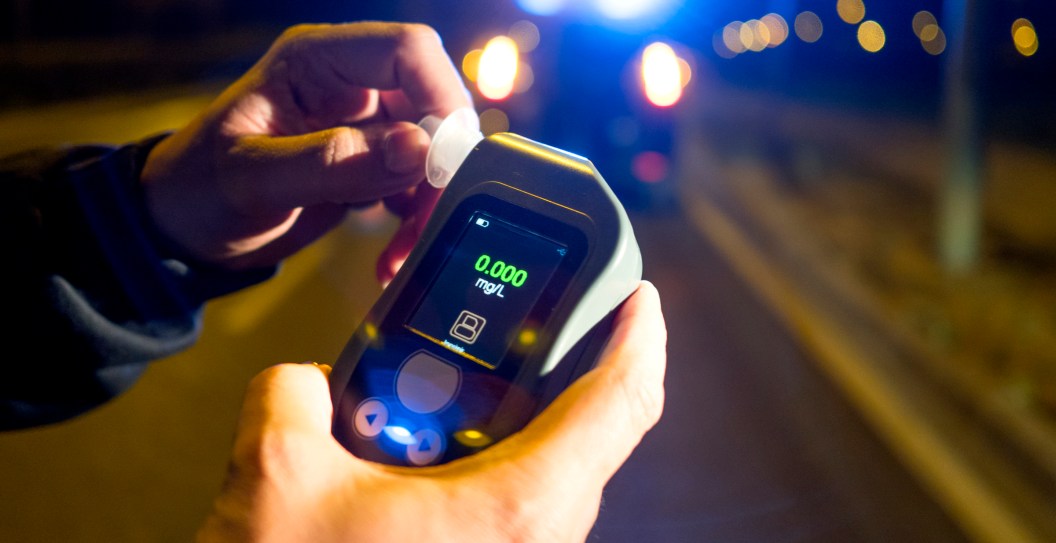
Some jobs can, or even should, be done drunk. Barman, chef, and news writer are all careers that require a high score on a breathalyzer, but flight attendants should not be getting a fail just before a flight.
Videos by Wide Open Country
Safety-critical jobs, such as flight attendants, require a clear head. When things go wrong, they're on the front line and need to be on the ball. So, finding out that the flight attendants of a Delta Airlines flight were blowing high on the breathalyzers would be a little concerning. At least it wasn't the pilot, I guess.
In a surprise test of 445 flight airline employees in Amsterdams Schipol airport, four were found to be over the legal limit. In the Netherlands, the limit is 0.02, but some absolutely smashed through this. Breaking the limit can result in dismissal, certainly a disciplinary, and a fine.
Breathalyzer Tells The Tale Of Flight Attendants Big Nights Out
The test was done early in the morning for the Schipol airport, catching flight attendants who had been out on the town the night before. Bearing in mind the legal limit for the Netherlands is only 0.02, some of them did very well.
The lowest of the four flight attendants caught by the breathalyzer was only 0.024. This is a paltry amount and only ended up earning the staff member a $305 fine. However, number two on the alcoholic airlines list came in at 0.13, which is a much more respectable amount. For their hard work, they were slapped with a $1,892 fine. However, in first place, by a commendable margin, was the flight attendant who blew 0.143. They claimed a prize fine of $1,998.
These flight attendants, unlucky enough to be caught by a breathalyzer, were suitably chastised. The fines will be a heavy blow to their paychecks, and I don't imagine they'll be turning up tipsy again.
The problem with working in a job like this is the temptation of overnight stays. Being stuck in a fun city like Amsterdam, where the nights can go on very late, it's always tempting to party on into the early hours. However, US airlines recommend at least 8 hours between your last drink and starting work. The Netherlands recommends a total of 11 hours between drinking and work.
Even staying sober for these hours doesn't guarantee a lower blood alcohol content though. Depending on body weight, food eaten, sleep, and more can change how quickly alcohol is processed. Best not to drink at all.


