
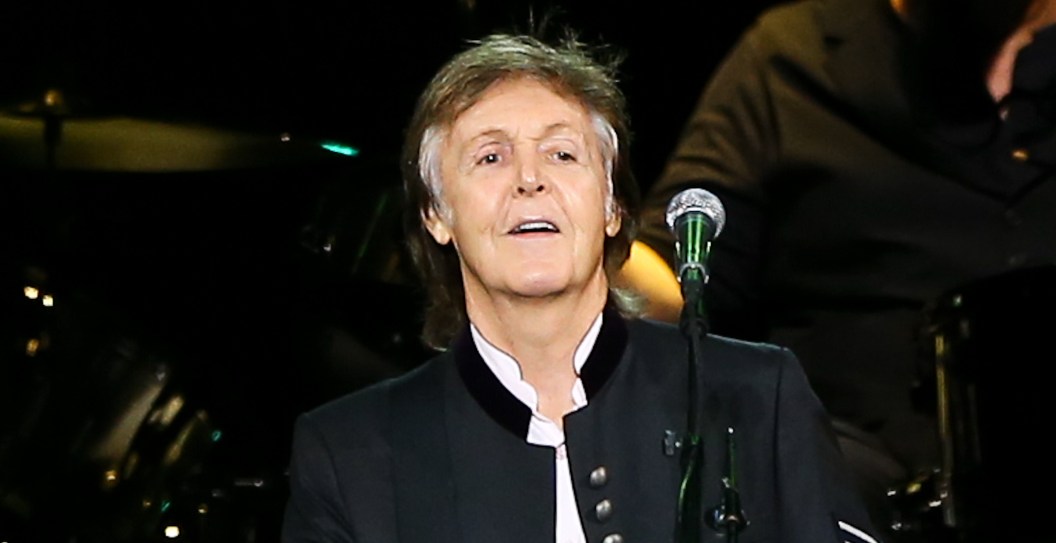
The use of artificial intelligence in art creates a ton of controversy with anyone. Before even touching the moral optics of it all, it's creatively bankrupt and inhuman in expression. It's a safe haven for people who don't have a creative bone in their body and the lazy ones who want the work done for them. Then, you have all of the potential exploitation of it all. Beatles icon Paul McCartney explains why the use of AI is such a slippery slope in music especially.
Videos by Wide Open Country
Recently, McCartney spoke with the BBC for an interview where he discusses the potential harm with AI in the arts. For context, the British government is mulling over a policy that allows tech companies to utilize an artist's work to train their AI models. It does allow for these creators to opt out of this deal. However, Paul sees an obvious scenario where artists get exploited. "You get young guys, girls, coming up, and they write a beautiful song, and they don't own it, and they don't have anything to do with it. And anyone who wants can just rip it off," McCartney says. "The truth is, the money's going somewhere... Somebody's getting paid, so why shouldn't it be the guy who sat down and wrote 'Yesterday'?"
Paul McCartney Slams The Use of AI in Art
Ultimately, Paul McCartney emphasizes that the government must protect creatives like they would any other citizen. Otherwise, art devolves into full on slop and lacks human expression. "We're the people, you're the government. You're supposed to protect us. That's your job," McCartney adds. "So you know, if you're putting through a bill, make sure you protect the creative thinkers, the creative artists, or you're not going to have them."
The only valid form of AI in music Paul McCartney might find valid is through Randy Travis using it to use his voice again. The country singer practically lost his voice in a stroke in 2013. Consequently, he wanted to utilize the tech in order to fill in the gaps where he can't express his creativity. There's obviously still a ton of trepidation where artists don't have agency over their own music anymore. Labels can continue pumping out posthumous releases because they don't need the artist anymore. But in that particular instance, I can't fully fault it.


