
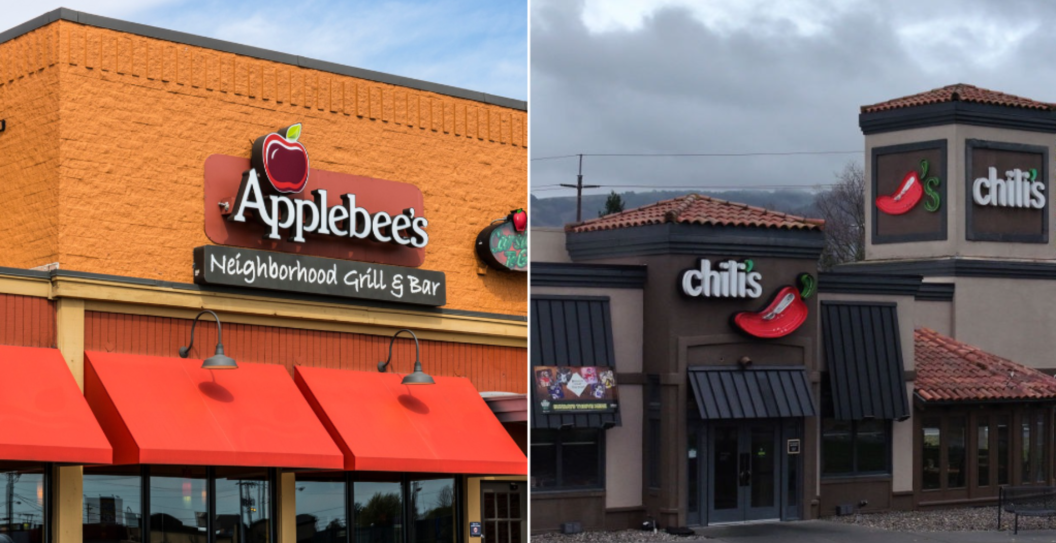
Two popular fast-casual restaurant chains, Chili's and Applebee's, closed their doors in Sarasota, Florida, on May 19, leaving residents searching for new spots to enjoy enchiladas and mozzarella sticks. The simultaneous closures mark a shift for the local dining scene, reflecting broader challenges in the fast-casual industry.
Videos by Wide Open Country
The Chili's on University Parkway, a fixture since 1986, served its final plates on May 19. Regulars expressed nostalgia for the lively atmosphere. "It was a great place to hang with friends and meet new ones," said Judd McKean, a resident, in an interview with the Sarasota Herald-Tribune. "I'll definitely miss the place."
That said, diners can still visit the Chili's near Lake Sarasota for their fix of baby back ribs and margaritas.
On the same day, the Applebee's on University Parkway poured its last $1 margaritas. The closures highlight contrasting fortunes for the two brands nationally.
Diverging Paths for Fast-Casual Giants
Chili's parent company, Brinker International, reported a robust $1.43 billion in revenue for the latest quarter, with same-store sales soaring 31.6 percent. The chain's success stems from affordable meals and a strong social media presence, making it a standout in the fast-casual sector. Chili's low-cost offerings, like its popular 3 for Me deal, have resonated with budget-conscious diners.
In contrast, Applebee's struggles to regain momentum. Dine Brands Global, its parent company, reported a 2.2 percent sales decline, with Applebee's generating $1 billion in the first quarter of 2025. CEO John Peyton emphasized efforts to revitalize the brand. "We are focused on elevating guests' experience, enhancing the menu, and better communicating offers through dynamic marketing," Peyton said during a March earnings call. Applebee's is banking on deals and improved rewards to win back customers.
Chains Face Economic Headwinds
The closures reflect broader challenges in the fast-casual dining sector. Rising food prices have squeezed restaurant margins, while middle-class diners -- core customers for chains like Chili's and Applebee's -- cut back on discretionary spending due to higher grocery costs. This toxic mix has pushed several brands, including Hooters, Red Lobster, and TGI Fridays, to shutter hundreds of locations and file for bankruptcy. Other chains, such as Denny's, Outback Steakhouse, and Cracker Barrel, have reported declining sales and scaled back forecasts.
Applebee's, founded in 1980 by Bill and T.J. Palmer in Decatur, Georgia, aimed to create a neighborhood pub vibe with affordable, quality food. Initially called T.J. Applebee's Rx for Edibles & Elixirs, the chain grew under W.R. Grace and Company before evolving into a franchise system. Chili's, launched in 1975 in Dallas, Texas, by Larry Lavine, offered affordable hamburgers in a casual setting. By 1983, it had 28 locations with Southwest-inspired decor before being sold to Norman E. Brinker.


