
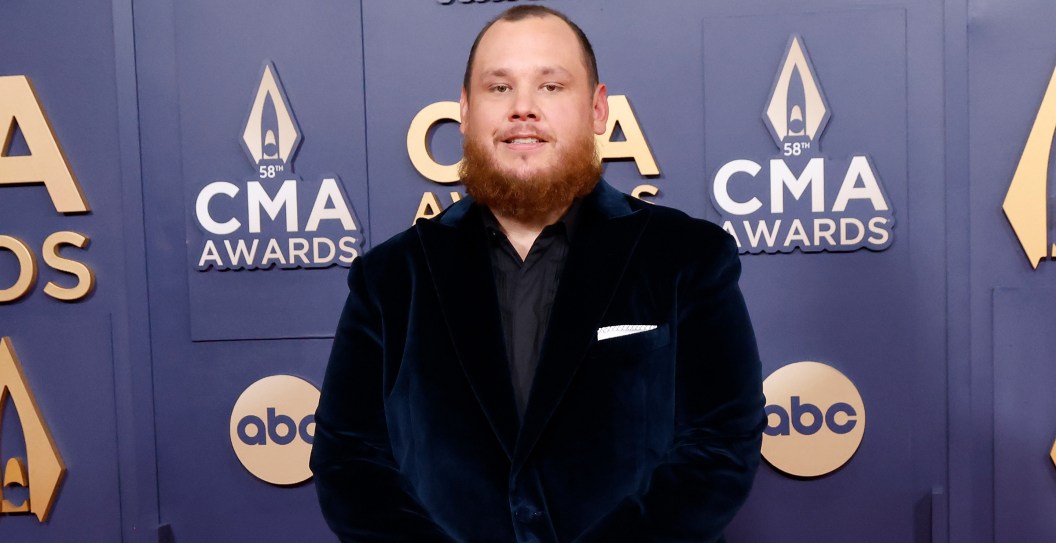
When Luke Combs appeared on the Aug. 18 episode of Dax Shepard's Armchair Expert podcast, he opened up about a rare condition he was diagnosed with when he was 21 years old.
Videos by Wide Open Country
What Combs suffers from is "Pure O" obsessive-compulsive disorder (OCD). Some doctors will use the terminology to describe this more specific type of OCD. However, it's not classified as such by the American Psychiatric Association.
What Is "Pure O" Obsessive-Compulsive Disorder?
"Pure O" OCD, a subtype of OCD, is characterized by intrusive, unwanted thoughts or obsessions without the more visible external compulsions often seen in typical OCD.
Despite its name, individuals with "Pure O" do engage in compulsions, but these are usually mental, such as rumination, mental checking, reassurance-seeking, or avoidance, to reduce anxiety or "neutralize" the thoughts.
The obsessions revolve around dark topics such as harm, sexuality, morality, or religion. This can lead to significant guilt or shame. Because these compulsions aren't obvious, "Pure O" can be harder to recognize and diagnose.
"There's a lot of themes that are very recurrent for people that have this," Combs told Shepard. "Religion is one. It essentially preys on the antithesis of who you are at your core, but it focuses on questions that are unanswerable. Which is like, 'Do I really love God? Do I really believe in God?' And then you spend over 90 percent of your day thinking about that. And that can happen for months on end."
Luke Combs Has Learned To Cope With "Pure O" OCD
Combs added, "It's like a bird flying by. You just go, 'Oh, there's a bird,' and then you're like, 'What was that bird? Why did that bird fly by?' And then the more you wonder why the bird flew by, the more it starts flying by. Your brain's like, 'I need to send that thought again, because you're worried about it, and you being worried about it must mean something.' Really, it doesn't mean anything. Then the more you think about it, the more it starts showing up."
The "Fast Car" singer, who also opened up to his audience at the Newport Folk Festival last month, shared with the podcast host that he's still learning to cope with the disorder. He's also been in therapy for many years.
"There's no good parts of it other than when you don't have it," Combs added. "I would say definitely the course of my life has been dictated by that at certain times."


