
Martina McBride has often used her music to give a voice to those who don't think they can speak up.
Videos by Wide Open Country
For example, the young subject of her song "Concrete Angel" is an abused little girl. But by the end of the song, she is "caught in the hands of fate." One of the song's co-writers, Rob Crosby, said that some of the kids who've seen the music video, which flashes the Child Help USA number, "have been able to escape a bad situation."
Her latest fight is now against AI-generated deepfakes. Protecting her voice and likeness may not at first seem like she's standing up for others. However, the potential misuse of technology to tarnish her image can threaten her ability to continue her advocacy.
Martina McBride Testified in Washington
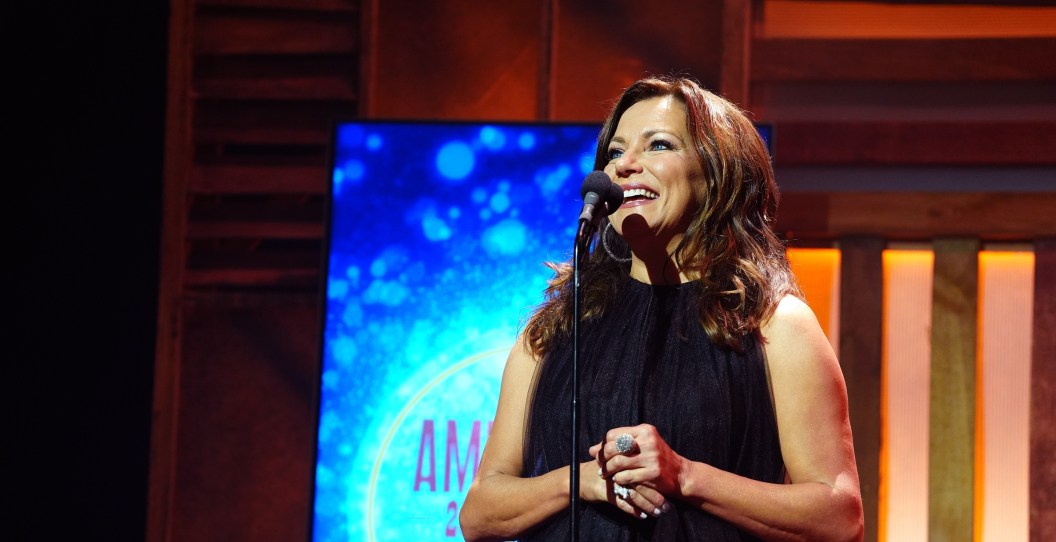
This concern recently took McBride to Washington. Back in May, she appeared before the Senate Judiciary Subcommittee on Privacy, Technology and the Law about the NO FAKES Act. It's a bipartisan bill aimed at protecting someone's voice and likeness. Reflecting on her experience at a recent summit in Nashville, she explained why she took up this cause.
"The thing that I'm most proud of in my career is my reputation and the fact that when I say something, my fans trust that it's the truth," she said.
Her fear is that someone could use deepfake technology to alter lyrics from "Concrete Angel." They could then repurpose them to justify abuse rather than raise awareness of the issue.
"At some point, you can't discern what I say and what someone manipulates me saying, and that's terrifying," she said.
Deepfakes Can Also Affect Young Artists
It's taken years for McBride to build the relationship she has with her fans. But for young artists, AI-generated deepfakes can misrepresent their image or story. It can also make it harder for them to earn fans' trust and share their authentic message.
"If someone can invade that artist-fan bond and distort the story a young artist tells the world about who they are, careers could be lost before they truly get started," said McBride.
In addition to young artists, McBride worries about fans who have been scammed by a deepfake. Recently, an Ohio man was fooled by an AI-generated impersonator of Jelly Roll. It asked him to send money to ship the prizes he won for a contest he did not enter.
"If you lose your house because a deepfake of an artist says they need money and you never get that money back, that's an angry situation," said McBride. "I'm on stage in front of thousands of people, and I don't know how long it will be until I don't feel safe doing that. That's a real physical danger that we need to think about."


