
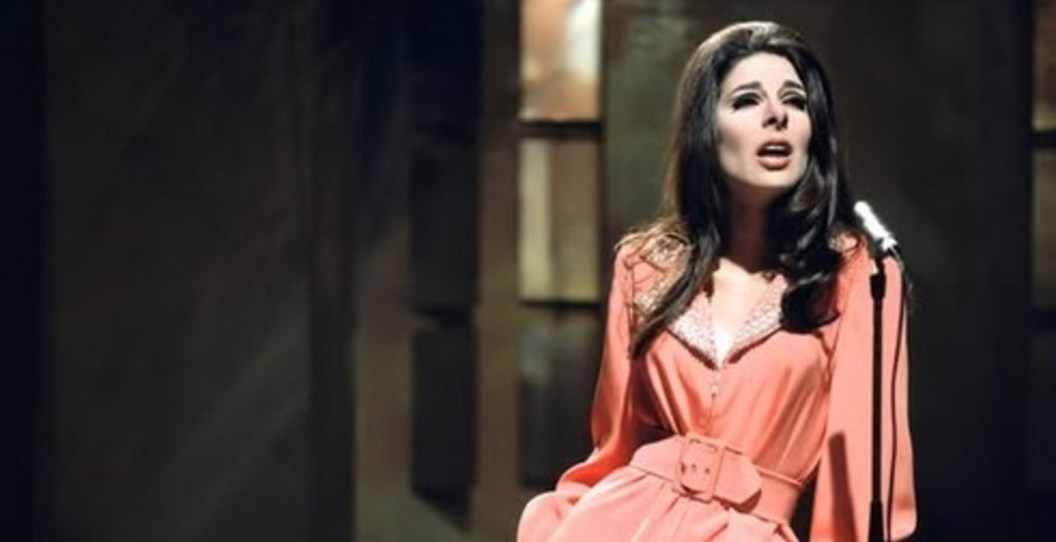
"Ode to Billie Joe," which was sung and written by the nearly mythic Bobbie Gentry, was a tremendously popular story song about a young man's suicide that was released in 1967. It unexpectedly achieved the kind of heady success accorded to very few pieces of contemporary music.
Videos by Wide Open Country
Per the Smithsonian Center for Folklife & Cultural Heritage, "Ode," a sleeper hit, elbowed the Beatles' "All You Need Is Love" from the top perch on the Billboard Hot 100 chart. The song claimed three Grammy awards after being nominated for eight of the gold statuettes. It inspired a 1976 film and was chosen for inclusion in the Library of Congress's National Recording Registry in 2023.
'Ode To Billie Joe' Influenced A Host Of Other Artists
"Ode" became a touchstone for many other famous artists who responded to its tantalizing mystique and bleak Southern Gothic mood. Among the songs credited with being influenced by it are "Harper Valley P.T.A." by Jeannie C. Riley, "The Bridge" by Dolly Parton, "We Oughta Be Drinkin'" by Sheryl Crow, "Delta Dawn" by Tanya Tucker, and "Polk Salad Annie" by Tony Joe White, per music blog Highway Queens.
In 1969, Gentry wrote and recorded a song called "Fancy." Twenty-two years later, Reba McEntire covered it.
And all that was accomplished by a heretofore unknown young singer and songwriter whose actual name was Roberta Lee Streeter. She lived on her grandparents' Mississippi farm where there was no electricity until she was six years old. Years later, the beautiful woman with the mane of lush raven hair would reinvent herself as Bobbie Gentry, make music history, assert herself in a heavily male-dominated industry, and then recede into the dense mists of cultural lore. She took control of her destiny and ultimately vanished from the scene by her own design.
Gentry Abruptly And Without Explanation Walked Away From Music And Public Life
Even Bobbie Gentry's date of birth is unclear. One source claims she was born on July 27, 1944, others say 1942. According to the Smithsonian Center for Folklife & Cultural Heritage via the Washington Post, "'Ode to Billie Joe' sold 'tens of millions of copies' and 'made Gentry a hot Vegas star,' but then she became 'the J.D. Salinger of pop music. She made Harper Lee look chatty. She went full Garbo.'"
Gentry was slated to perform a concert with Mac Davis in 1983, per Rolling Stone. The singer canceled her appearance and never set foot on a stage again to perform. She had called all the shots in her professional career and did the exact same thing with how it ended.
Taste Of Country states that Gentry retired two years earlier, in 1981. The murkiness of her whereabouts and history underscores the lengths that Gentry has gone to in order to preserve her privacy.
She Was A Bold Trailblazer Who Forged Her Own Path
Per Rolling Stone, Gentry unabashedly announced that she produced "Ode to Billie Joe." In those days, especially for a female, that was an eye-brow-raising anomaly. According to the outlet, "She said it onstage, in industry magazines like After Dark, and on The Tonight Show Starring Johnny Carson." Reportedly, however, she was not officially credited with shouldering that function.
Gentry accumulated other impressive firsts. Per the outlet, she DJ'd on Armed Forces Radio. "was the first woman to host a variety show on the BBC," and eventually hosted a CBS program. Her albums Patchwork and Fancy are both thought to have Gentry-painted portraits on their covers. Gentry conquered a tough town like Vegas, too. For years, she created and starred in productions that dazzled crowds with their flamboyant costumes and innovative sets.
What Bobbie Gentry Was Up Against
Her achievements are all the more exceptional given the brazen misogyny and dismissive condescension she encountered as a woman in the recording industry at the time. Gentry powered her way through it, but it had to have rankled.
For instance, one review mentioned by Rolling Stone cruelly sneered at her, despite the phenomenal success of "Ode." It said, "Twenty-three-year-old Bobbie Gentry is anything but the hillbilly folk singer you might expect. If she didn't have a Miss America type figure, (37-23-37), you might call her an intellectual."
A man would never be derided that way.
That Gentry endured such rubbish and kept going anyhow is proof of her intense resilience and dedication. She opened the door for the women who came after her in country music.


