
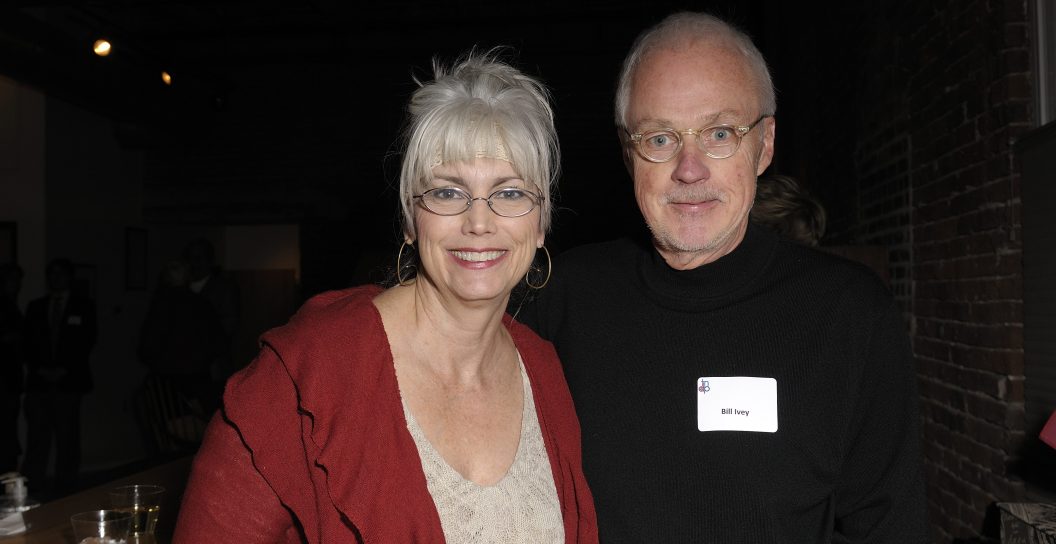
On Friday, November 7, the world lost a true driving force behind the music and arts industries, as Bill Ivey passed away at the age of 81. Ivey is best known for the work he produced for the Country Music Hall of Fame and Museum. He began his role in 1971, after being hired to build the museum's library.
Videos by Wide Open Country
However, within months, he was tasked with leading the Country Music Foundation. Under his leadership, both the Hall of Fame and the museum went from strength to strength, with the latter becoming a true worldwide tourist attraction over the past few decades.
Following the news of his passing, the Country Music Foundation released a statement on social media.
"He was a challenging thinker who helped cement the reputation of the Country Music Hall of Fame and Museum as a significant and authoritative music history center. His impact on the Museum and the wider arts world is incalculable."
Ivey also implemented world-class standards for the museum, ensuring that it boasted an unmatched wealth of artifacts, recordings and other memorabilia, thus strengthening its position as an industry leader. He also oversaw two building expansions during his time with the Country Music Foundation.
Bill Ivey Also Worked Under Bill Clinton
Ivey was appointed as the Chairman of the National Endowment for the Arts in 1997 by President Bill Clinton. His work during this period allowed him to build connections between art organizations and businesses within the community. Furthermore, he launched multiple education programs centered around developing and nurturing talents in the arts.
His role under Clinton was wide-ranging and arguably a success. Ivey then used that experience to segue into a role at Vanderbilt University, where he taught for 10 years before assuming his role with the Country Music Foundation.
Bill Ivey Was a Driving Force for the Arts
Ivey's career focused on growing the arts and pushing them forward. He aimed to future-proof how we store their history. His loss is a significant blow to the broader arts community. It will be felt most in and around music, especially in Nashville.
Fortunately, his impact will live on through the programs he helped build and implement. It will also endure through the continued success of the Country Music Hall of Fame and Museum.


