
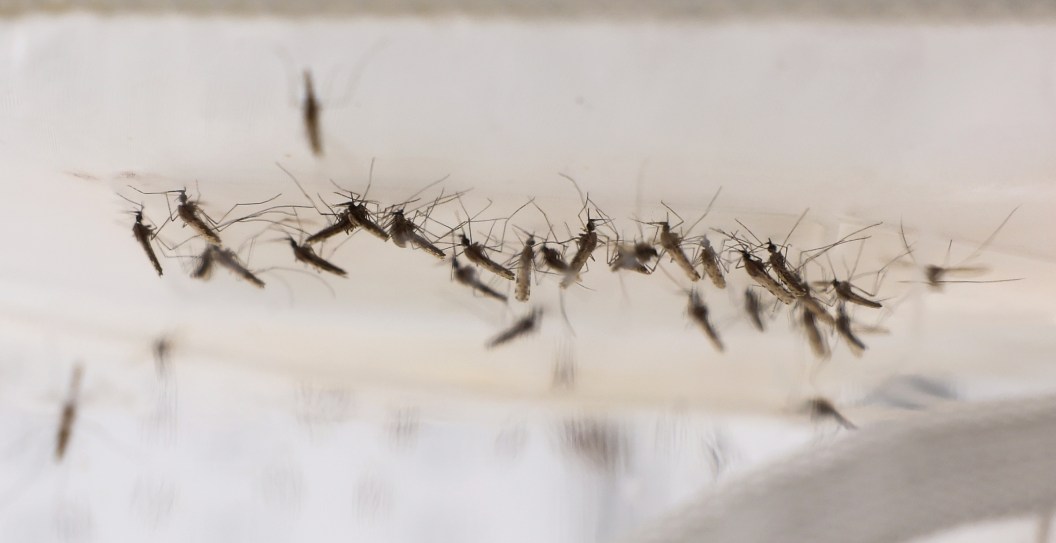
Do you consider mosquitoes a pest or an annoyance?
I'd argue it's quite a common opinion. And from personal experience, the bites can hurt pretty darn bad!
But it turns out that they can be used for good after all (even if I'm a little skeptical myself!)
As reported by the New York Post, Google has some pretty lofty ambitions for the little critters. They're seeking federal approval for the release of up to 32 million mosquitoes.
But they're not just releasing annoying little bugs for the sake of it—they have the power to fight some pretty horrible diseases. And the best part is that the mosquitoes they're planning to release are incapable of biting.
Google wants to release pre-infected male mosquitoes that will help to cull mosquito populations. They will be infected with Wolbachia, which means when they interact with female mosquitoes, the offspring do not survive.
So that means that they may actually reduce the number of biting critters after all.
Videos by Wide Open Country
The Diseases These Mosquitoes Might Help Fight are Dangerous
Mosquito-borne diseases are sadly quite common. But things are especially bad in states like California and Florida, where they can carry the following diseases: West Nile virus, St. Louis encephalitis, dengue fever, Zika, chikungunya, and yellow fever.
The project has been praised by local authorities. Chad Huff of the Florida Keys Mosquito Control District said, "It's a great concept, and we're putting it to real use to see if it works."
However, some people have expressed their concerns over the project. A commenter wrote, "It is possible that the males will mutate over time, as it is impossible for the program to be 100% effective. Some small percentage will be able to successfully mate and have offspring, leading to resistant mosquitoes."
Either way, the whole thing is currently under review by the US Environmental Protection Agency. They are accepting the public's thoughts on the initiative, and will decide on whether Google will get an experimental permit on June 5.
Here's hoping it reduces the number of mosquitoes buzzing around Florida and California. Fewer bites are always a positive, right?


