
Dolly Parton is an incredibly gifted songwriter. Think of some of her classic hits, like "Jolene," "Nine to Five," and "I Will Always Love You." Those are just a few of her big successes. One song she crafted, "Kentucky Gambler," was supposedly based loosely on her grandpa. (It's on her album, The Bargain Store.) He evidently had a penchant for gambling. Per Classic Country Music Stories on Facebook, Grandpa Parton tended to lose the money he stashed away.
Videos by Wide Open Country
Merle Haggard Reportedly Liked To Gamble
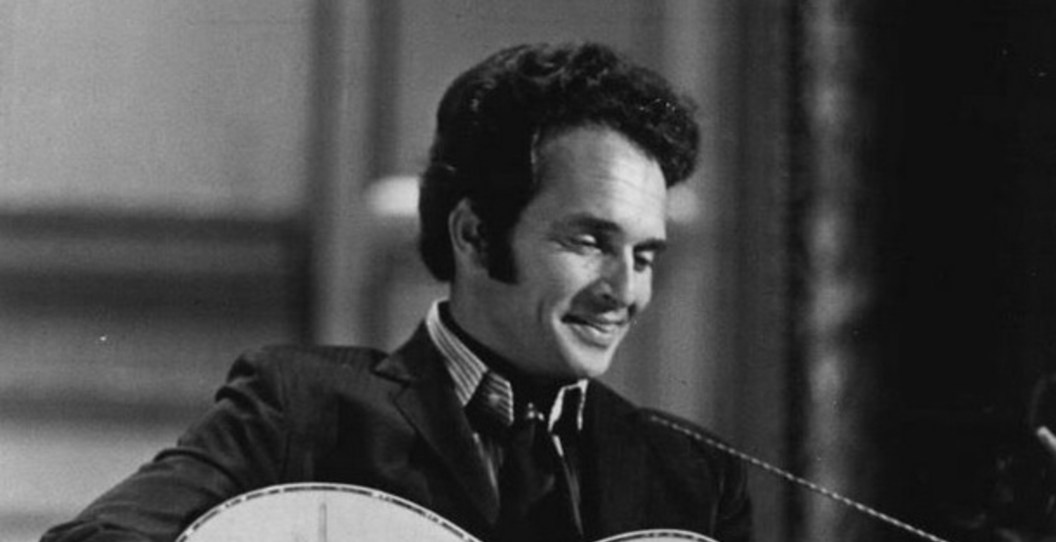
The great Merle Haggard also had a flair for gambling. He was pretty good at it. Haggard even managed to build up a hefty nest egg of $300,000 over a lucky three-year period. Unfortunately, he reportedly lost it all, plus some $300,000 more. According to countrythangdaily.com, Haggard could gamble away as much as $100,000 at a time, then ask his mom to send him additional money. He passed away on his birthday (April 6) in 2016 at age 79.
Per the outlet, "Parton's song accurately described the period that Merle was going through." One line of the song says it all: "But a gambler never seems to stop / Till he loses all he's got...."
He Recorded 'Kentucky Gambler' And Was Very Successful With It
Haggard is said to have adored Dolly Parton. He actually wrote a song, "Always Wanting You," about his (unrequited) feelings for her. They knew each other from touring in the mid 1970s. Her Travelin' Family Band was appearing with Haggard at that time. So it's not really surprising that even though Parton did not specifically write "Kentucky Gambler" for him, that he ran with it and had a major hit.
Per savingcountrymusic.com, Haggard said that when he recorded "Kentucky Gambler" was when his feelings for its writer - Dolly Parton - really emerged full force. She firmly but graciously declined his advances because she was married to her late husband, Carl Dean. (Haggard was married as well.) But they did have a friendly professional relationship that was both cordial and fruitful.
When Haggard died, Parton had words of effusive praise for him and his bountiful talent. He left a void in the genre that was simply unfillable.


