
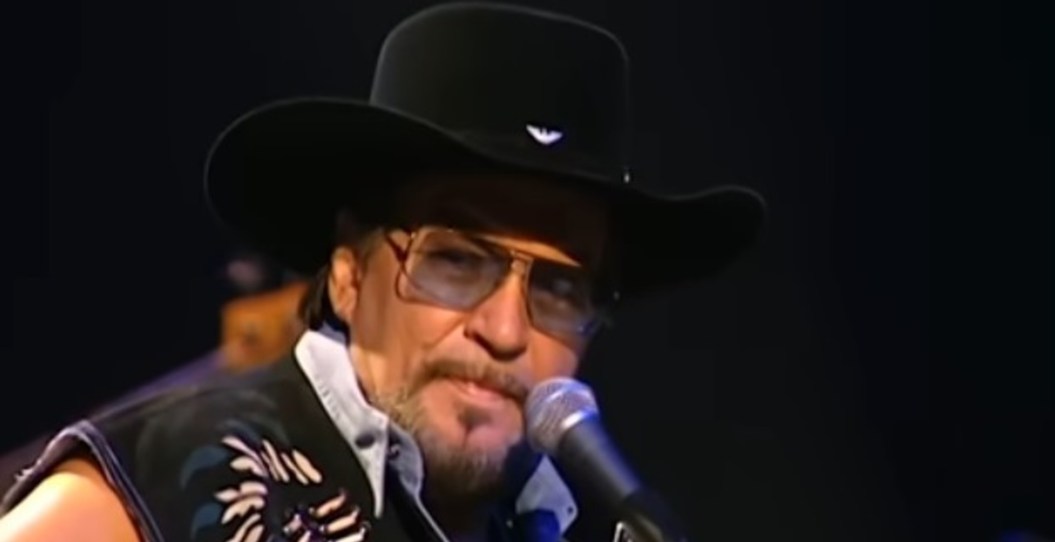
Waylon Jennings, who died in 2002 at the age of 64, was a giant in country music. Period. Full stop. There is no arguing his vital importance to the modern country genre. Not only was his music memorable, but Jennings also spearheaded the outlaw movement, along with his pals Johnny Cash, Kris Kristofferson, and Willie Nelson. They formed their own band, The Highwaymen. Although only Nelson is still living, their combined legacy continues untarnished. Something that shaped Jennings as a person and as a musician was his West Texas upbringing. Music was in his blood. It was as simple as that. You could take Waylon Jennings out of West Texas, but you could never take West Texas out of Waylon Jennings.
Videos by Wide Open Country
The America That Waylon Jennings Grew Up In
In an interview thirty years ago, Jennings spoke about what growing up in that region was like. Born in 1937 when Franklin D. Roosevelt was in the White House, he was a product of a vastly different time in America. This was long before cell phones, social media, television, and all the jangling technological distractions we now associate with contemporary daily life. Listening to Jennings reminisce fondly about his West Texas youth is like looking at a Norman Rockwell painting that captured the long-ago quaintness of America. That time and place molded him into a supremely masterful musician and storyteller extraordinaire.
Music Was Always Part Of His Life
Was there a moment in Jennings' life when he decided to be a musician? Not one he could pinpoint, he said in this interview. "I was born one," he explained. "That was something I was born with. Music's always been one of the most important things in my whole life. And [for] most of the people that come from West Texas."
Life In West Texas Back Then Involved Hard Work, Being A Church-Goer, And Making Wonderful Music
Music was a way to being people together, Jennings said. It also helped them briefly forget and escape the hardscrabble lives they led. "It was kind of a release. Music was a big release for people who lived there. Because we all worked hard all week long."
He added, "On Sunday, we'd go to church and we'd have little get-togethers. Somebody played guitar, somebody played fiddle, and somebody played piano. I was around music all my life. My mom and dad both played guitar and my dad played harmonica. Music was always the most important thing to me...It was just a foregone conclusion {that it would be my career]."


