
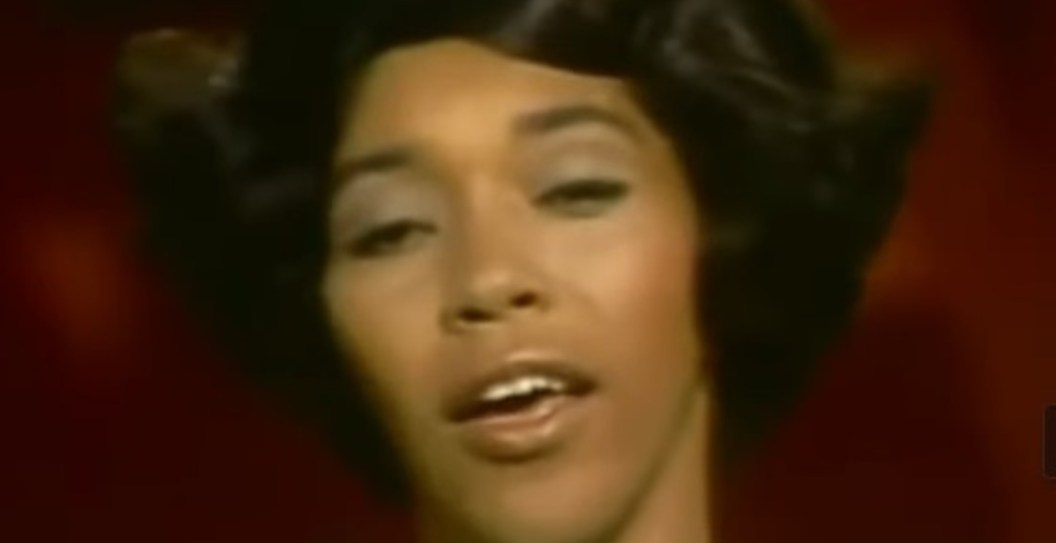
There have been some fearless women in the annals of country music who have stormed their way into that once-traditionally male bastion and made it their very own. When females didn't have a real place at the table, they invented one. They flung aside outmoded, conventional rules, protocol, and masculine pushback to declare, "Here we are - and we are a force to be reckoned with!"
Videos by Wide Open Country
Their accomplishments have not always been heralded the way they should have been, however. We want to right that wrong by paying reverent homage to these women of country for being courageous pioneers and trailblazers. So it's hats off to Bobbie Gentry and Linda Martell.
Bobbie Gentry
Gentry is best known for her 1967 song, "Ode to Billie Joe." It was a story song like no other. In the psychedelic 1960s, it stood out jarringly, as did its remarkable 25-year-old singer and composer. Furthermore, per folklife.si.edu, her smash hit generated so much traction that it toppled the Beatles' "All You Need Is Love" from the number one spot on the Billboard Hot 100. "Ode" remained at the pinnacle of that list for a solid month.
But Bobbie Gentry's significant contributions to the genre did not end there. She was inducted into the Nashville Songwriters Hall of Fame in 2020. Her bio on the Hall's website notes that, "In 1968-71, Bobbie had her own TV series on the BBC in the U.K. She later produced, choreographed, and wrote/arranged the music for her own nightclub revue in Las Vegas...."
People Could Not Easily Categorize Gentry
Gentry was so non-traditional in the music industry that it was hard to categorize her. She was mega talented and brilliant, not just a woman who went rogue. Maybe that is one of Gentry's greatest achievements. According to theguardian.com, a DJ at New York's WFMU observed that Gentry's "songs and style were difficult to pin down."
In addition, "...she was deeply involved in tasks usually reserved for men...in 1967, America was clearly not ready to roll out the red carpet for the female artist who wrote, played and produced her own material." However, Gentry never backed down, despite the occasional naysayers who tried to downplay her credentials and skills.
She Triumphed In 'A Man's Field'
Per the outlet, she once said, "I am a woman working for herself in a man's field. I am a successful woman record producer. Did you know that I took Ode to Billie Joe to Capitol, sold it, and produced the album myself? It wasn't easy. It's difficult when a woman is attractive; beauty is supposed to negate intelligence - which is ridiculous. Certainly there are no women executives and producers to speak of in the record business."
In the 1980s, Gentry literally seemed to vanish from the scene. She has even been compared to notably reclusive individuals like Catcher in the Rye author J.D. Salinger and film actress Greta Garbo. But even her physical absence can't diminish the indelible mark Bobbie Gentry made. She truly shook up the country music industry and the music business. Today's women in country stand proudly on her shoulders.
Linda Martell
I could go on and on about Black women who have been pivotal in the history of country music. There have been many. They have typically—and shamefully—not gotten their rightful credit. One of them is Linda Martell. Per pbs.org, "...Black women have fought to find a place in an industry that is only recently beginning to shift."
Martell Made History At The Grand Ole Opry
Per the outlet, Martell was the first Black woman to grace the stage at the Grand Ole Opry in 1969. She was accorded a pair of standing ovations, plus future performances on that hallowed stage. Kane Brown marveled at her pluckiness. Per Rolling Stone, he said, ""I can only imagine what she was going through, how nervous she must have been, especially to do the Opry. It's such a legendary place. But for her to do it back then, praise to her.... Going back to 1969, I wouldn't even come close to attempting to do something like that. How did she have the courage to do that? I could talk to her for hours about that."
An album she released in 1970, Color Me Country, featured a trio of songs that charted on Billboard - "Before the Last Teardrop Falls," "Color Him Father," and "Bad Case of the Blues." Despite the evident success of that record, Martell's label, the ironically-named Plantation Records, let her go.
That was not the sole indignity she endured. Martell bravely weathered "racist insults and threats of violence by country music audiences and by television executives, and an almost daily wearing down of her spirit." She never did another album.
Martell Honored The Great Country Music Tradition Of Storytelling
Now 83, this woman is indomitable. She understood what country music was, and what it stood for. In that 2020 story in Rolling Stone titled, "Linda Martell, Country's Lost Pioneer," she said, ""Country music tells a story. When you choose a song and you can feel it, that's what made me feel great about what I was singing. I did a lot of country songs, and I loved every one of them. Because they just tell a story."
Martell performed on the popular TV show Hee Haw. An executive with the show tried to coach her on the correct way to say certain words. She pushed back and stood her ground. Per Rolling Stone, "I said, 'Wait a minute. I'm singing this song — I'm gonna sing it like I always sing it. And that's what I did. He wasn't too happy about it. But I did anyway." She thought the person's remark was racist. "It most always is when you're in that kind of situation."
Her Recording Label Mate, Jeannie C. Riley, Was Given The Spotlight Rather Than Martell
It was another woman, Jeannie C. Riley, who inadvertently was the cause of Martell being relegated to the sidelines by her recording label. Riley, who, like Martell, was an artist with Plantation Records, had a huge hit in 1968 with "Harper Valley P.T.A." The label chose to spotlight Riley rather than Martell. She acknowledged, "I was totally ignored at that time."
Sadly, Martell's career never regained its momentum. In later years, she drove a school bus and worked with kids with learning disabilities. But she had a powerful impact on Black female singers who followed her. Per Rolling Stone, Mickey Guyton said, "It didn't matter how successful or unsuccessful Linda was. Just the fact that she was there was groundbreaking.... Her story is pretty sad. But she gave me the courage to be here."


